-

The Power of the Last Half-Mile: Why Protecting Tributaries Matters
When we talk about protecting rivers, the focus often lands on big projects—larger restorations, engineered solutions, or miles of replanting. But sometimes, one of the more simple solutions is also effective: leaving a stream alone and keeping it protected. Along a small tributary that flows into the Baron Fork River, we’ve taken a simple approach.…
-
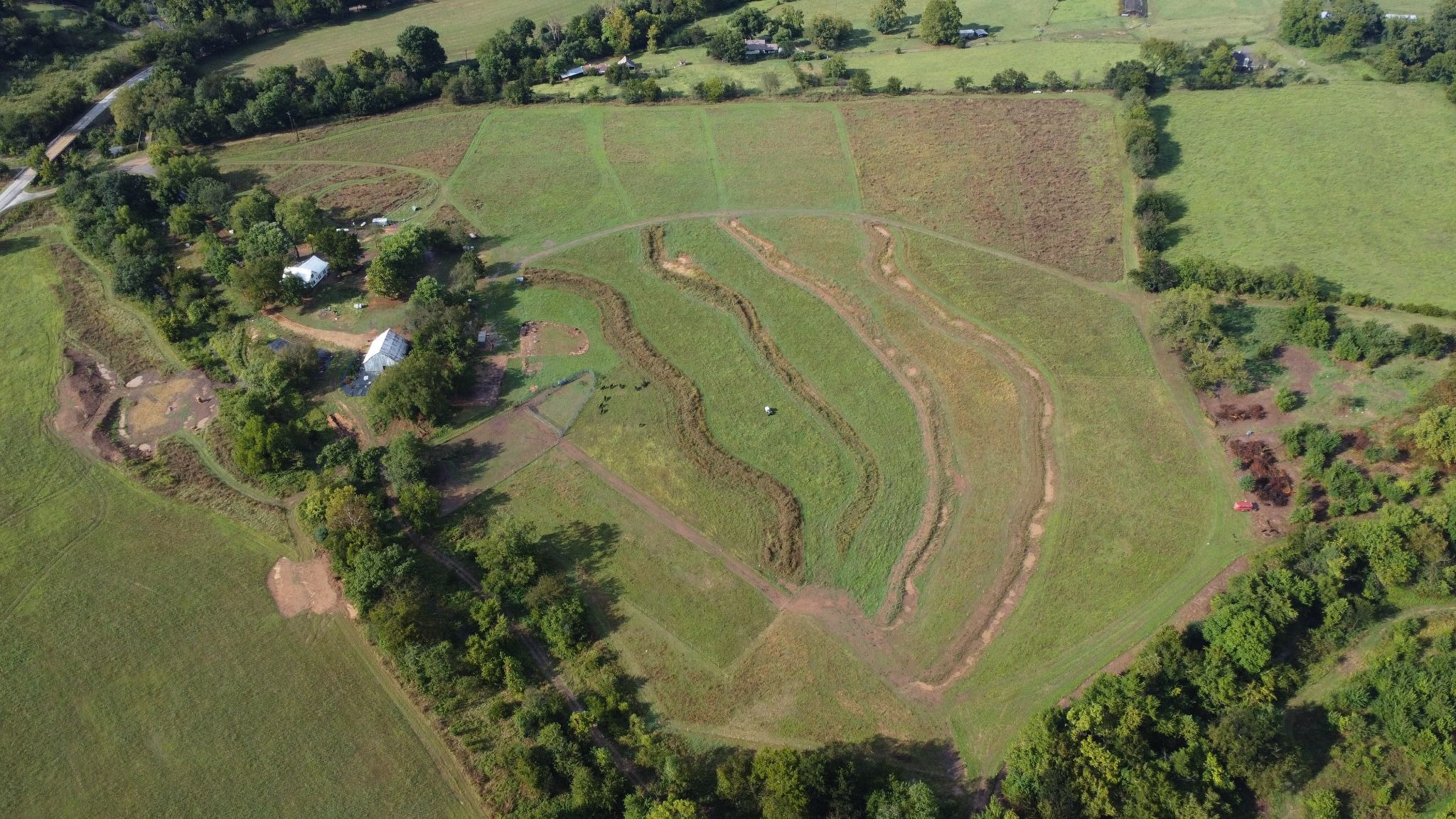
Storing Water in the Land: Why We Cut Swales Along Contour Lines in Our Pasture
This past season, we tried something new on our grazing land—something simple, ancient, and surprisingly powerful. We cut a series of shallow swales following the contour lines of our hillside pasture, spaced at 2-foot elevation intervals. At first glance they look like gentle curves carved into the slope, but they’re doing a lot more than…
-

Brewing Change: The Rise of Sustainable and Regenerative Coffee
Coffee is more than a morning ritual—it’s a global agricultural system supporting millions of small farmers, shaping landscapes, and driving local economies. The good news? Coffee, by its very nature, has the potential to be a sustainable and even regenerative crop. The challenge lies in how we grow, trade, and consume it. Why Coffee Has…
-
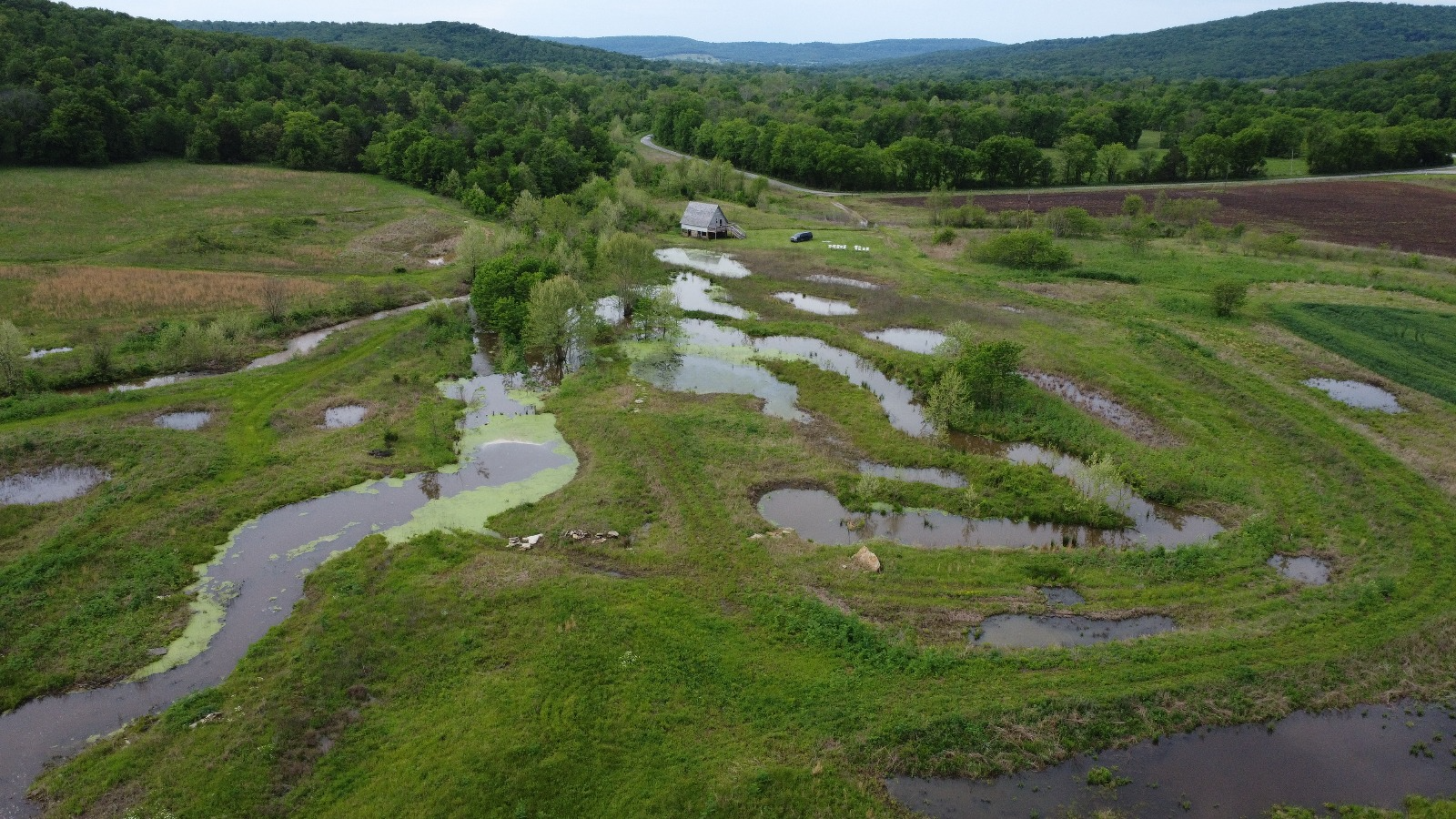
Restoring Bush Valley: From Worn Farmland to Thriving Wetlands
Tucked into the headwaters of the Baron Fork of the Illinois River, just outside Lincoln, Arkansas, Bush Valley spans about 200 acres where the Springfield Plateau meets the Boston Mountains. It’s a special place—home to six streams that braid together, two perennial springs (one bubbling from a historic springhouse), and even a cemetery dating back…
-

Rivercane in Restoration
We are officially 3.5 months out from the Great Rivercane Harvest of 2025. Something that was on our agenda this year was finding a more efficient way to conduct rivercane harvesting and transplanting for use in restorations. In previous years, we have tried to harvest the cane by hand with shovels, and if you have…
