Category: Ecosystem Restoration
-
Coupling Timber Stand Improvement with Sustainable Milling at the Colburn Barn
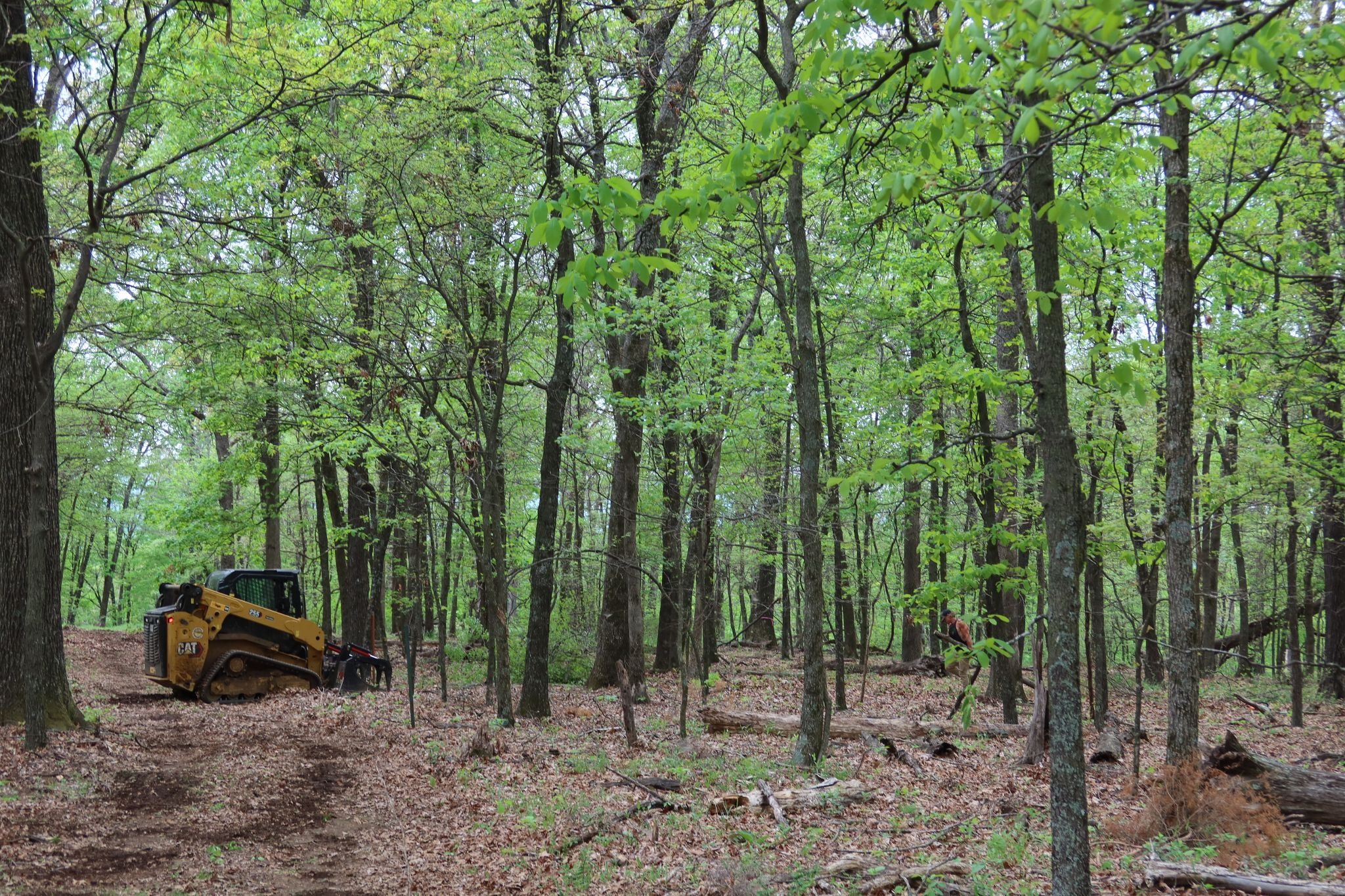
In Canehill, Arkansas, restoration is happening from the ground up — and from the forest to the frame. As part of the ongoing preservation efforts at the historic Colburn Barn, a late 19th-century stone and timber structure at Historic Cane Hill, we are coupling Timber Stand Improvement (TSI) with sustainable milling practices to support both…
-
Weaving Floating Wetlands: Turning Branches into Living Water Filters
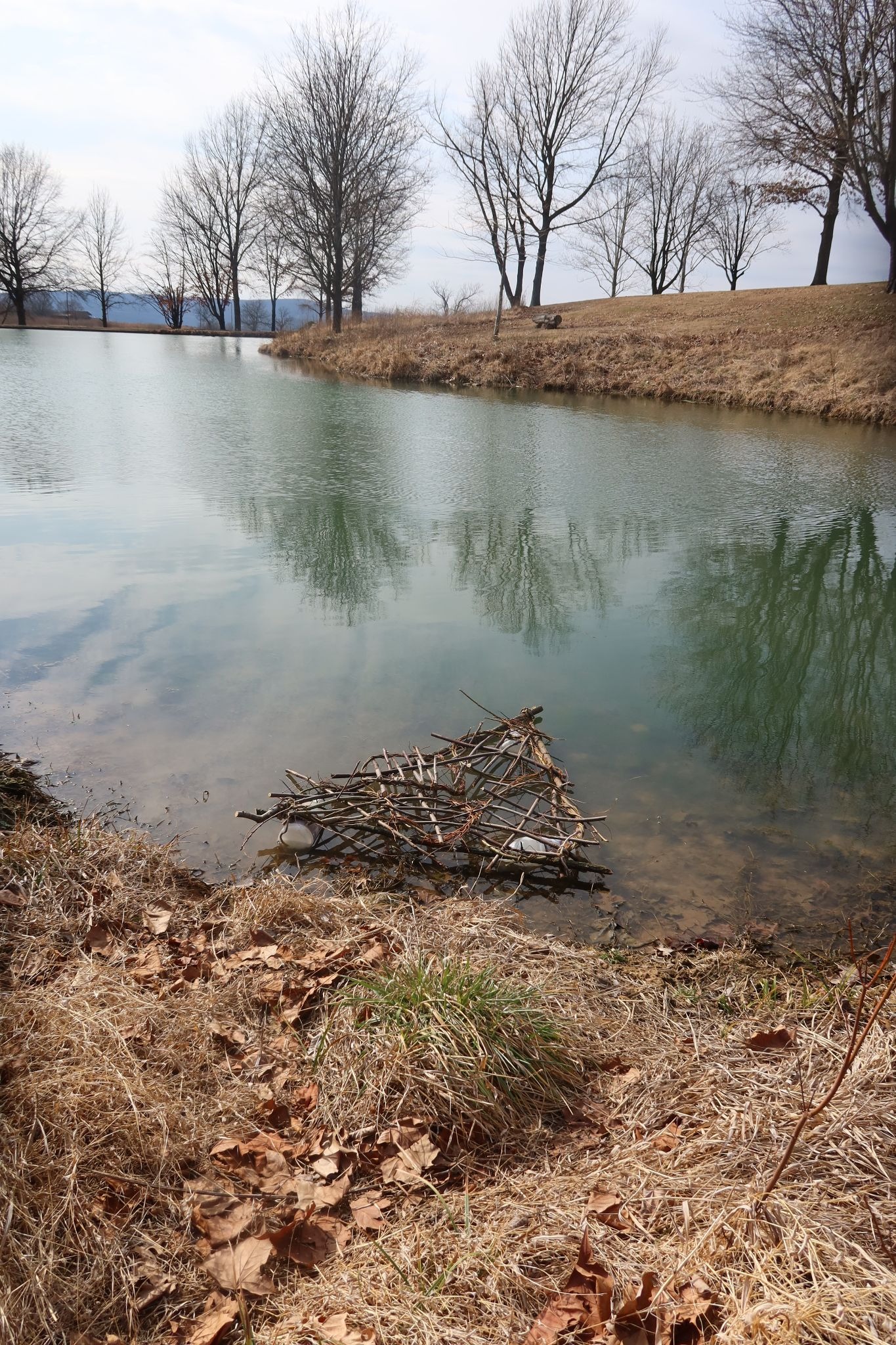
This winter, we began a hands-on experiment in ecological restoration by building small floating wetlands for a pond using natural and recycled materials. The project started with harvesting flexible willow and sycamore branches, which provide both structure and resilience when woven together. Using freshly cut branches, we formed circular frames and cross-supports, weaving the willow…
-
Selective Harvesting: Why Thoughtful Forestry Is Pro‑Environment

When people see trees being cut, the reaction is often immediate and emotional: How could this possibly be good for the environment? It’s an understandable response. Forests symbolize stability, carbon storage, wildlife habitat, and natural beauty. But not all forests are equally healthy, and not all tree cutting is destructive. In fact, selective harvesting is…
-
Voting with your Dollar: Supporting Sustainable, local Pork

What is the problem with current pork production? How often do you drive in the country and see pigs rooting around in the mud or roaming in the forest? Not very often? That is because 97% of commercial pork produced in the United States are raised in confined, concrete buildings (Rodale Institute, 2024). You don’t…
-
The Power of the Last Half-Mile: Why Protecting Tributaries Matters

When we talk about protecting rivers, the focus often lands on big projects—larger restorations, engineered solutions, or miles of replanting. But sometimes, one of the more simple solutions is also effective: leaving a stream alone and keeping it protected. Along a small tributary that flows into the Baron Fork River, we’ve taken a simple approach.…